La Japan Pearl Exporters’ Association (JPEA) è molto più di un’associazione di categoria. In Giappone è il riferimento assoluto per chi opera nel meraviglioso mondo delle perle coltivate. La sede istituzionale è a Kobe, l’equivalente della silicon valley per le aziende del settore, città internazionale, aperta dal 1800 al mondo occidentale e soprattutto agli italiani. Fino al 1998 il Governo giapponese si era occupato di certificare direttamente la qualità delle perle esportate, attività in seguito preservata grazie all’intervento di alcune organizzazioni di coltivatori, tra cui la JPEA, che si sono attrezzati per mantenere i livelli di qualità elevati.
La selezione è durissima e solo il 5% delle perle coltivate è considerata di alta qualità (hanadama), mentre il 28% è classificato come commerciabile, il 17% non idoneo al mercato, per il 5% il processo non va oltre la fase di innesto e, infine, per la restante parte la scelta si ferma molto prima, a causa di eventi che colpiscono le ostriche perlifere, come le maree rosse, i tifoni o i predatori marini. I criteri di valutazione sono codificati e racchiusi in un testo del 2014 della Japan Pearl Promotion Society, denominato “Pearl Standard”, custodito come una reliquia da ciascun associato, opponibile erga omnes in caso di dispute o, più semplicemente, consultabile per ogni curiosità.
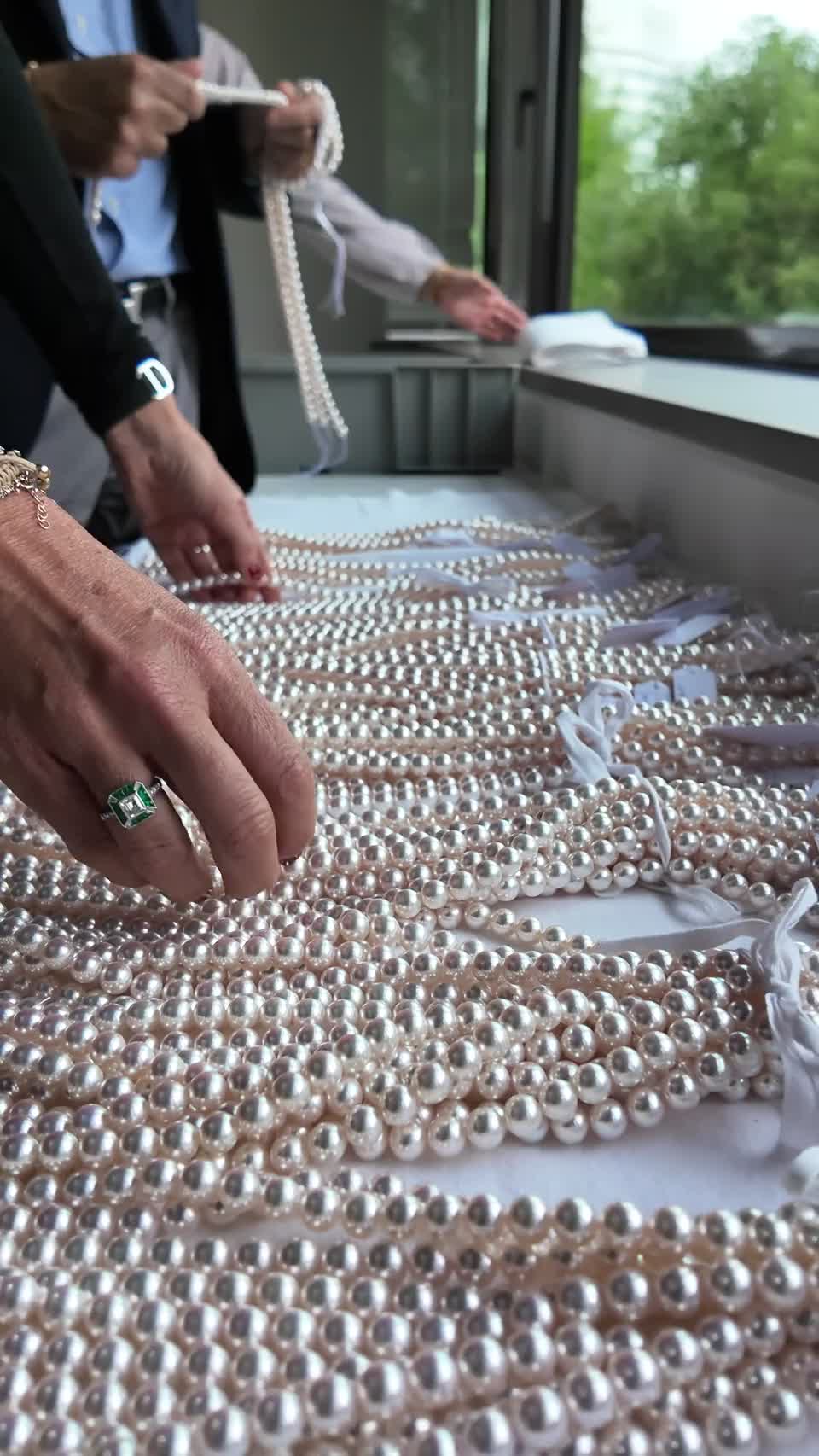
JPEA, unico riferimento mondiale per le perle giapponesi
La selezione è durissima e solo il 5% delle perle coltivate è considerata di alta qualità
I criteri di valutazione sono codificati e racchiusi in un testo del 2014 della Japan Pearl Promotion Society, denominato “Pearl Standard”, custodito come reliquia da ciascun associato
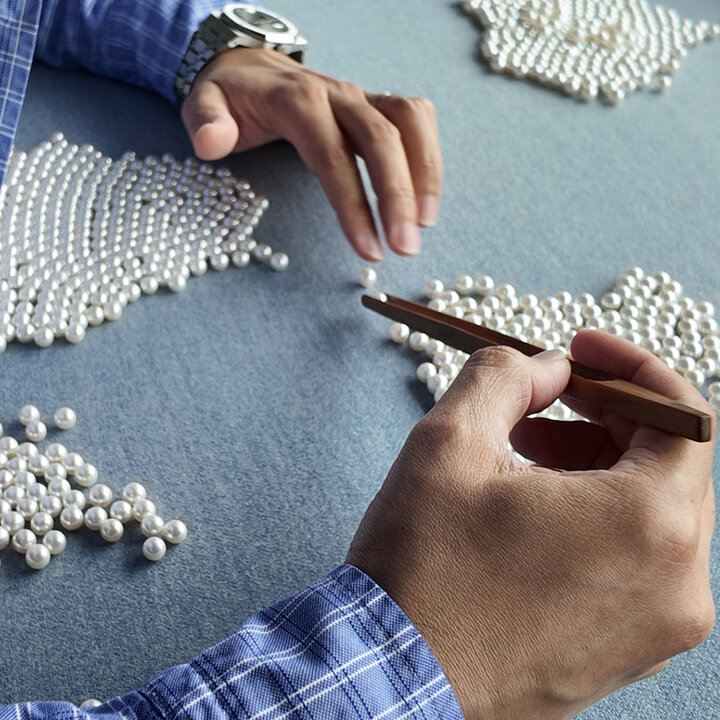
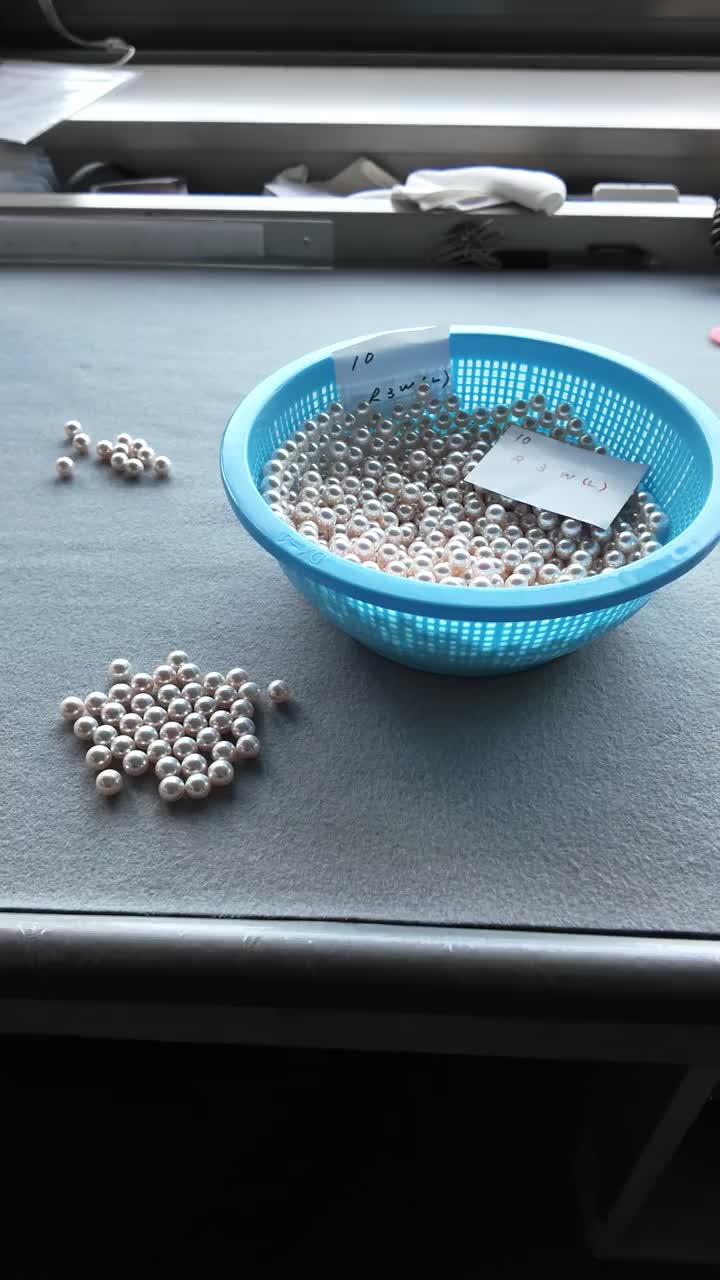
Nonostante l’enorme considerazione per le perle coltivate, il ‘codice delle perle’ avverte che solo quelle naturali possono essere definite vere (“true”) e ciò per evitare fraintendimenti (articolo 2.1.1), mentre, parlando di perle coltivate, è preferibile specificare il tipo di ostrica da cui provengono, come, ad esempio, Akoya, Shirocho o Kurocho. Le prime sono considerate le migliori qualitativamente e hanno dimensioni che variano dai 3 ai 9 millimetri, anche se c’è una preferenza a realizzare misure tendenti ai valori più alti della scala, probabilmente per massimizzare l’enorme investimento iniziale. La qualità si misura in base alla lucentezza, che non deve essere influenzata dall’accumulo di strati prismatici o di sostanze organiche.
La madreperla, inoltre, deve essere uniforme e liscia. Le imperfezioni sono tollerate, ma non devono essere così evidenti da danneggiare la struttura generale della perla (articolo 4.2.3). Non mancano, in conclusione, indicazioni sulla cura delle perle, una volta acquistate dal consumatore finale. Le raccomandazioni prescrivono di non applicare cosmetici e profumi prima di indossare le perle e di riporle in un panno morbido dopo l’utilizzo. Quando non vengono messe per lunghi periodi, devono essere regolarmente asciugate e custodite in maniera separata dagli altri gioielli, per evitare che possano danneggiarsi dal contato con metalli od oggetti appuntiti (articolo 6).
PEARL STANDARD / Japan Pearl Promotion Society
Si parte dalle definizioni di carattere generale sulla natura delle perle, classificate come “metaboliti presenti nei molluschi vivi” (articolo 1), distinguendo, poi, tra perle naturali e coltivate, queste ultime, peraltro, ugualmente considerate ‘naturali’, secondo l’insegnamento di Mikimoto, per il quale la differenza consiste solo per il modo, spontaneo o meno, con il quale inizia il processo. C’è pure un paragrafo sulle perle d’imitazione (o artificiali), che nulla hanno a che vedere con quelle che superano la spietata selezione nelle acque di Ise e infatti non sono generate dalle ostriche, ma prodotte in fabbrica per replicare l’aspetto, il colore e le altre caratteristiche delle perle naturali o coltivate (articolo 1.3).
Japan, Ise-Shima National Park
The Japan Pearl Exporters’ Association (JPEA) is much more than a trade association. In Japan, it is the ultimate point of reference for those working in the fascinating world of cultured pearls.
Its institutional headquarters are in Kobe, the equivalent of Silicon Valley for companies in the sector—a cosmopolitan city that has been open to the Western world, and especially to Italians, since the 1800s.
Until 1998, the Japanese Government was directly responsible for certifying the quality of exported pearls. This role was subsequently preserved through the efforts of several producers’ organisations, including the JPEA, which equipped themselves to maintain high quality standards.
The selection process is extremely rigorous, and only 5% of cultured pearls are considered high quality (hanadama), while 28% are classified as marketable, 17% are deemed unsuitable for the market, and in 5% of cases the process does not progress beyond the grafting stage. For the remaining pearls, the process stops much earlier because of events affecting pearl oysters, such as red tides, typhoons or marine predators.
The evaluation criteria are codified in a 2014 publication by the Japan Pearl Promotion Society entitled “Pearl Standard”, which is treasured almost like a relic by each member. It can be invoked erga omnes in the event of disputes or, more simply, consulted whenever clarification is needed.
JPEA, the World’s Sole Reference Point for Japanese Pearls
The selection process is extremely rigorous, and only 5% of cultured pearls are considered high quality.
The selection process is extremely rigorous, and only 5% of cultured pearls are considered high quality (hanadama), while 28% are classified as marketable, 17% are deemed unsuitable for the market, and in 5% of cases the process does not progress beyond the grafting stage. For the remaining pearls, the process stops much earlier because of events affecting pearl oysters, such as red tides, typhoons or marine predators.
The evaluation criteria are codified in a 2014 publication by the Japan Pearl Promotion Society entitled “Pearl Standard”, which is treasured almost like a relic by each member and can be invoked erga omnes in the event of disputes or simply consulted whenever clarification is needed.
The evaluation criteria are codified in a 2014 publication by the Japan Pearl Promotion Society entitled “Pearl Standard”, treasured like a relic by each member.
The document begins with general definitions concerning the nature of pearls, classified as “metabolites present in living molluscs” (Article 1). It then distinguishes between natural and cultured pearls. The latter are nevertheless also considered “natural”, according to Mikimoto’s teaching, whereby the difference lies solely in how the process begins—spontaneously or otherwise.
There is also a section on imitation (or artificial) pearls, which have nothing to do with those that undergo the ruthless selection process in the waters of Ise. They are not produced by oysters, but manufactured in factories to replicate the appearance, colour and other characteristics of natural or cultured pearls (Article 1.3).
Despite the enormous esteem in which cultured pearls are held, the “pearl code” warns that only natural pearls may be defined as “true” pearls, in order to avoid misunderstandings (Article 2.1.1).
When referring to cultured pearls, it is preferable to specify the type of oyster from which they originate, such as Akoya, Shirocho or Kurocho.
Akoya pearls are considered the finest in terms of quality and range in size from 3 to 9 millimetres, although there is a preference for producing sizes towards the upper end of the scale, probably in order to maximise the considerable initial investment.
Quality is measured according to lustre, which must not be compromised by the accumulation of prismatic layers or organic substances.
The nacre must also be uniform and smooth. Imperfections are tolerated, but they must not be so pronounced as to damage the pearl’s overall structure (Article 4.2.3).
Finally, the document also provides guidelines for caring for pearls once they have been purchased by the end consumer.
The recommendations advise against applying cosmetics or perfume before putting on pearls and suggest storing them in a soft cloth after use. When they are not worn for extended periods, they should be regularly dried and kept separately from other jewellery, to prevent them from being damaged through contact with metals or sharp objects (Article 6).